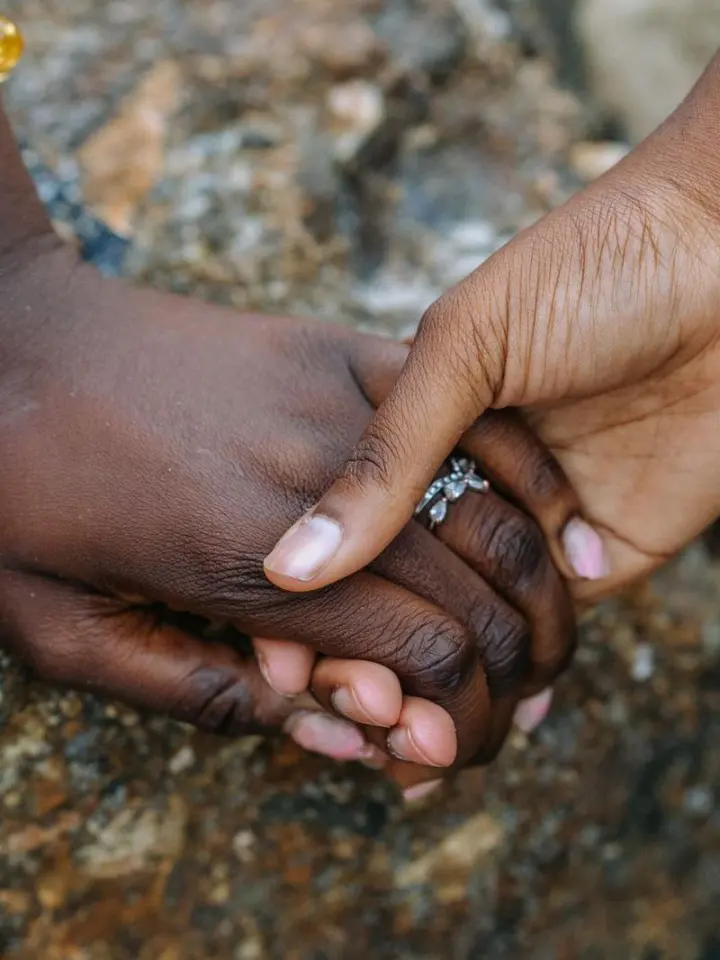

If you’re asking whether forgiveness after infidelity means staying with your partner, it doesn’t. Clinical sources describe it as a way of moving on emotionally, whether or not a couple reconciles.
For the wider picture of how trust returns, or doesn’t, read the guide to rebuilding trust after infidelity.
| Item | Value |
|---|---|
| Men reporting extramarital sex at least once (US surveys cited in a 2006 article) | 22% to 25% |
| Women reporting extramarital sex at least once (same surveys) | 11% to 15% |
| Effect of infidelity on the likelihood of divorce | Doubles it |
| Rank of infidelity among hard-to-treat couple problems (1997 study) | Third most difficult |
| Stages in an infidelity-specific therapy model (2004) | Three stages, with forgiveness in the last |
These figures come from a 2006 clinical article on treating affair couples and an American Counseling Association article. They can change, so check the sources before you rely on them.
What forgiveness does and doesn’t mean
In the clinical literature, forgiveness is less a single gesture than a shift in understanding. A 2006 article notes that most theories of forgiveness focus on a changed understanding of why the betrayal occurred and a new meaning for the event.
That framing helps separate what forgiveness involves from what it is often mistaken for:
- It does involve working out why the affair happened and what it now means for you.
- It does come after the shock has been dealt with, not before it.
- It doesn’t require you to reconcile: a three-stage therapy approach aims to help people move on emotionally whether or not they stay together.
- It doesn’t replace thinking clearly about your own best interests before you act.
Why forgiveness feels so hard after an affair
Researchers describe discovering an affair as an interpersonal trauma. In the 2006 article, many of the emotional, cognitive and behavioral responses of the injured partner parallel the criteria for post-traumatic stress disorder, as set out in the same source.
Part of the reason is broken assumptions. An affair can violate beliefs such as that partners can be trusted and that the relationship is a safe place.
The article adds that while an injured partner has no clear sense of why the affair occurred, they cannot trust their partner not to hurt them again. That is why many frameworks put understanding ahead of forgiveness.
Professionals find this hard too. A 1997 study ranked infidelity as the third most difficult therapeutic problem to treat, according to the American Counseling Association article.
The same article lists damaged self-esteem among the problems that can follow discovery. If that is part of your experience, the guide to self-esteem after being cheated on covers that side of recovery.
Where does forgiveness fit in recovery?
A 2004 integrative model for infidelity divides recovery into three stages, as the American Counseling Association article explains. Forgiveness is the last of them, not the first.
- Dealing with the impact of the infidelity.
- Exploring the context and finding meaning behind what happened.
- Forgiveness and moving on.
Read this way, forgiveness is the outcome of earlier work, not a demand you have to meet in the first weeks. Skipping ahead can leave the hardest questions unanswered.

If you want to know how professional support is usually structured, the guide to couples therapy for infidelity explains the options.
Is forgiving the same as staying?
No. The publisher’s description of the clinical guide to this three-stage approach lists what the strategies are meant to help with, and staying together is not on the list. According to the Guilford Press page, they help clients:
- overcome the initial shock;
- understand what happened and why;
- think clearly about their best interests before they act;
- move on emotionally, whether or not they ultimately reconcile.
So the choice to stay or leave is treated as its own decision, made with a clear head. Emotional resolution and the future of the relationship are related, but they are not the same thing.
Why the word “forgiveness” needs care
Clients bring their own experiences, beliefs and definitions of forgiveness. The American Counseling Association article says counselors must be meticulous even in the words they choose when they raise the idea with couples, especially while feelings of betrayal linger (source).
Before you use the word with your partner, or with yourself, it can help to ask a few questions:
- What would forgiveness actually mean to me?
- What do I still need to understand about what happened?
- Am I treating “forgive” and “stay” as the same decision?
The evidence is encouraging but early. The 2006 article reports that studies of forgiveness-based interventions found them effective at increasing forgiveness, and it presents preliminary findings from two small treatment studies (source).
The American Counseling Association article proposes adding loving-kindness meditation to the model, and says it could increase feelings of forgiveness. That is a proposal, not a proven result.
Frequently asked questions
Does forgiving my partner mean I have to stay?
Show answer
No. The Guilford Press description frames the goal as moving on emotionally whether or not a couple ultimately reconciles.
Can I forgive before I understand why it happened?
Show answer
The three-stage model puts understanding the context before forgiveness, and the 2006 article says injured partners struggle to trust without a clear sense of why it occurred. You can read both in the American Counseling Association article and the 2006 article.
Is forgiveness a single moment?
Show answer
In the model described above, it is the third stage of a longer process that starts with dealing with the impact of the affair. That makes it a stage of recovery rather than one decision.
How common is infidelity?
Show answer
US surveys cited in a 2006 clinical article found that approximately 22% to 25% of men and 11% to 15% of women reported extramarital sex at least once. The surveys are older, so treat the figures as a guide only.