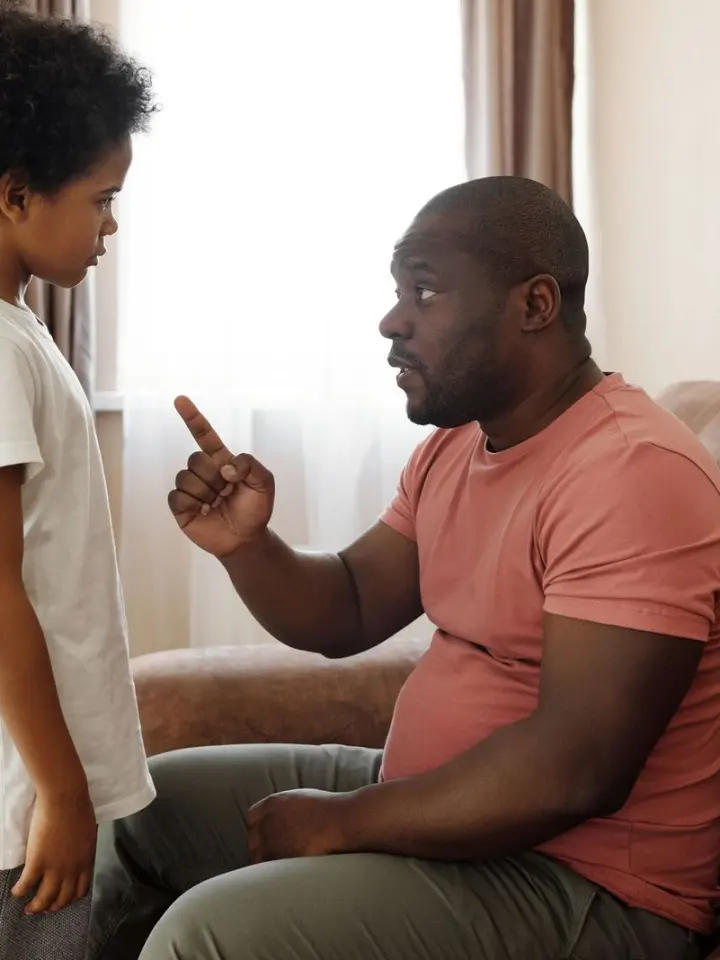

Co-parenting after infidelity can feel impossible when trust is broken and the children still need both of you. The short answer: keep parental conflict away from them and protect your own bond with each child.
Co-parenting is one thread in the wider effects of infidelity on family, and this page looks at what research says about sharing parenting after trust has broken.
| Item | Value |
|---|---|
| Parents in the cooperative co-parenting group | 41% of a survey of nearly 400 divorced people |
| Parents in the moderately engaged group | 43% |
| Parents in the conflictual and disengaged group | 16% |
| Children in divorced families facing long-term difficulties | 20% to 25%, compared with 10% in non-divorced families |
These figures come from a Council on Contemporary Families summary of a survey of divorced parents and a ParentData article on divorce and children. Figures can change as research is updated, so check the sources before you rely on them.
Why parental conflict is the part to manage
A breach of trust changes the relationship between two adults. It does not end the parenting job, which still needs shared decisions about school, health, schedules and routines.
A 2017 paper in the Journal of Child and Family Studies states that the most devastating effect of divorce for children’s adjustment and well-being is being exposed to parental conflict. The same authors describe establishing a high quality co-parenting relationship as one of the most challenging tasks for parents after divorce.
A ParentData article on divorce puts the idea as the how, not the what: the way parents manage a separation matters more than the separation itself. It reports that 20% to 25% of children in divorced families face long-term difficulties, compared with 10% in non-divorced families, and that most children are resilient.
Neither source studies infidelity on its own. Both look at divorce and separation in general, so treat them as the closest available evidence, not a verdict on any one family.
What do co-parenting relationships look like in practice?
A survey of nearly 400 divorced people, each with a child aged 10 to 18, was summarised by the Council on Contemporary Families in February 2019. The researchers grouped parents into three types based on communication, cooperation and conflict, as their write-up explains.
- Cooperative (41%): the highest communication and cooperation scores and the lowest conflict.
- Moderately engaged (43%): in the middle on all three measures.
- Conflictual and disengaged (16%): the lowest communication and cooperation and the highest conflict.
The researchers expected the groups to differ in parental warmth, knowledge of the children’s daily lives and inconsistent discipline, but they found no significant differences. They suggested that divorced parents may be able to compartmentalize their relationship with a former spouse from their relationship with their children.
They were careful about what this means. They called for more research and wondered whether the quality of each parent’s own relationship with the children matters most after divorce.
How do friends and family keep the conflict going?
The 2017 paper reports two studies. The first used 136 divorced parents recruited through online forums, and the second used 110 parents referred to children’s mental health care because conflict between the parents had severely compromised the children’s wellbeing.
In both, parents who perceived social network disapproval of the other parent reported more co-parenting conflict. Part of that link ran through forgiveness: disapproval was linked to less forgiveness, and less forgiveness to more conflict.
The authors’ explanation is that third parties are generally less forgiving than the people directly involved. Friends and family may therefore bring up past wrongs and speak negatively about the ex-partner, which a parent can read as disapproval. After an affair that pattern is easy to imagine, but the study did not test infidelity.
The study was cross-sectional, so it shows links rather than proof of cause. Forgiveness here means a parent’s tendency to forgive the other parent, which is not the same as reconciling. The paper also notes that approximately one third of divorced parents have high levels of ongoing hostility and tension.
What can’t the research tell you?
The evidence has real limits, and they matter when you apply it to your own family:
- The sources describe divorced or separated parents in general, not parents whose separation followed an affair.
- The first study in the 2017 paper used a convenience sample recruited through online forums.
- The survey summarised in 2019 covered parents of a child aged 10 to 18, so it says little about younger children.
- The survey authors say more research is needed on co-parenting styles and children’s wellbeing.
For background on how affairs and separation relate in the data, read the page on infidelity and divorce rates.
Practical steps the research points toward
The 2017 paper cites a definition of cooperative co-parenting: both parents put the children’s well-being first, keep their relationship constructive, and set new, more flexible boundaries between them. These steps follow from that idea and from the findings above.
- Keep children out of adult conflict, because exposure to parental conflict is the most damaging part of separation for them.
- Stay focused on the joint parenting plan: schedules, school, health and decisions about the children.
- Notice how your friends and family talk about the other parent, since perceived disapproval was linked to more conflict.
- Protect your own relationship with each child, since the survey authors wondered whether that matters most.
- Plan how you will explain the changes; the page on talking to kids about separation covers that conversation.
This page is educational and does not replace advice from a qualified professional who knows your situation.
Frequently asked questions
Can you co-parent well after infidelity?
Show answer
The sources here do not measure infidelity. In a survey of nearly 400 divorced parents, 41% were in a cooperative group, 43% were moderately engaged and 16% were conflictual and disengaged, so a range of outcomes exists.
Does high conflict between parents damage the parent-child bond?
Show answer
In the 2019 survey summary, the researchers found no significant differences in parental warmth, knowledge of children’s daily lives or inconsistent discipline across the three co-parenting types. They called for more research before drawing firm conclusions.
Do friends’ opinions of the other parent matter?
Show answer
They may. In both studies in the 2017 paper, perceived social network disapproval was positively related to co-parenting conflict, partly through lower forgiveness.
Are children always worse off after parents separate?
Show answer
No. ParentData reports that separation raises the risk of problems on average, but most children are resilient and the way parents handle the process matters more than the separation itself.