
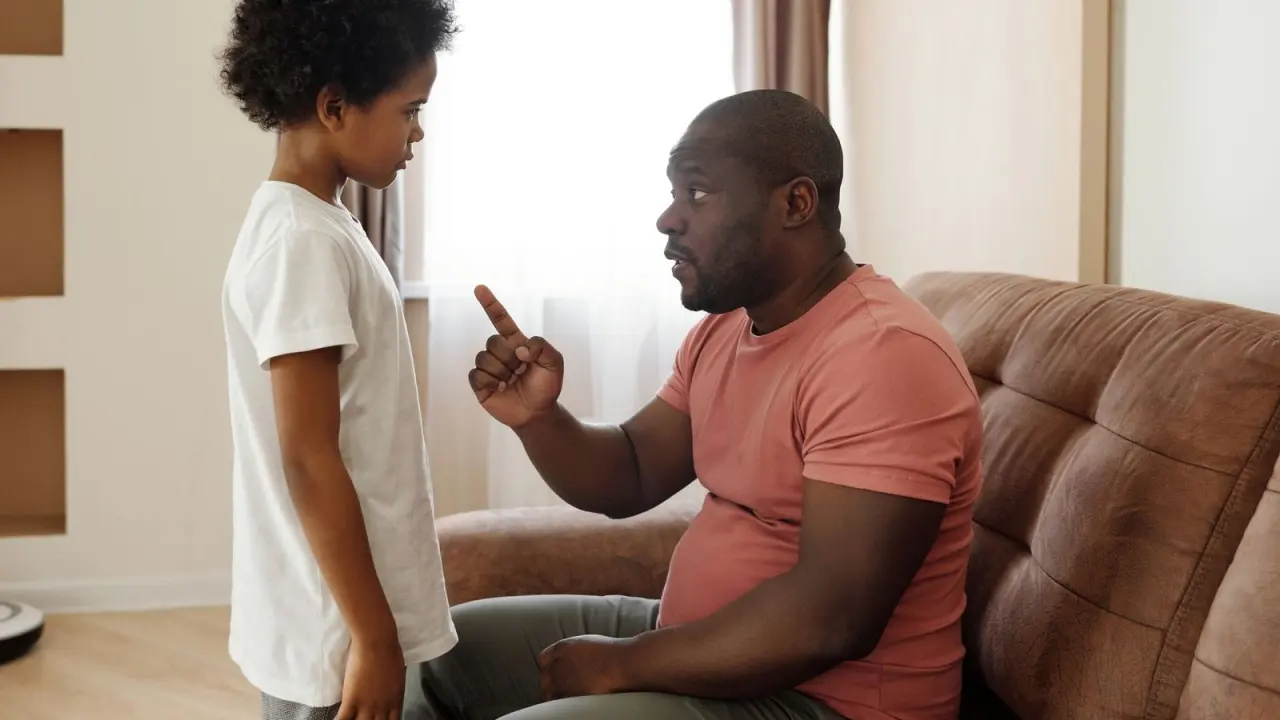
Talking to kids about separation is hard when you are hurting too. The short answer: reassure them they are loved and not at fault, and match your words and routines to their age.
This guide sits within the wider topic of the effects of infidelity on family, and it stays focused on what to say to children.
| Item | Value |
|---|---|
| Young children age band in the guide | 4 to 8 years |
| Adolescents age band in the guide | 9 to 13 years |
| Teens age band in the guide | 14 to 18 years |
| Latest revision of the guide | April 2023 |
These age bands come from the NDSU Extension guide Talking to Children About Divorce, as revised in April 2023. Guidance can be updated, so check the source before you rely on the figures.
What a separation feels like to a child
The guide points out that adults and children are often dealing with different problems. Adults typically handle logistical or external decisions, while children often face uncertainty, internal feelings and changes that result from the process.
The guide lists these internal issues for children:
- Grieving about the physical absence of a parent.
- Coping with the stress of multiple changes at once.
- Seeking some sort of control over the situation.
- Accepting reassurance that they are not at fault.
Children can end up living in two worlds, with parents who may have different values, interests or ways of living. The guide says parents who sustain some consistency, such as similar rules or expectations, help their children adapt.
It also warns that the distress of the adults involved can interfere with their ability to respond to their children’s needs. That is a reason to steady yourself before the conversation, not a reason to stay silent.
One limit applies to everything below. The guide is written about divorce, and this article draws only on it, so treat the points as general principles. They do not tell you how much to share about why the relationship is ending.
Talking to kids about separation at ages 4 to 8
Young children often react with fear of being alone, clinging, tantrums or crying. The guide also lists blaming themselves for the divorce, fantasies about parents staying together, and regressive behaviours such as thumb sucking.
Sleep or physical problems, such as nightmares or stomach problems, can show up too. At school, a child may struggle with memory or concentration.
What the guide suggests you say and do:
- Offer physical comfort. Extra hugs, smiles and hand-holding, plus time to sit together and talk about feelings.
- Reassure out loud. Tell them often that you love them and that you will support them. Let them know that feeling scared or upset is OK.
- Keep routines familiar. Lunch time, handovers and bedtime stories can stay as similar as possible.
- Show what comes next. Make a calendar with X’s on days with mom and O’s on days with dad, or use a paper chain to count the days until they see the other parent.
- Use books and shows. Read age-appropriate stories about divorce together and ask what they think of the characters.
- Give them things of their own. A picture of the other parent in the bedroom or a stuffed animal that travels between homes can help.
The guide’s reasoning is simple: young children struggle more when they are uncertain what will happen next.
Ages 9 to 13: feelings, loyalty and staying out of the middle
Children in this band may feel conflicted about loyalty to each parent. The guide lists reactions such as anger, feeling hurt, lied to or betrayed, shame about the family situation, and concern about what peers think.
Some children get headaches or stomachaches when parents are in conflict, and some withdraw or act out.

The guide’s advice for this age starts with feelings. It says loss or anger is natural, so acknowledge the reality of what your child feels and help them respond in appropriate ways.
It also says to avoid placing the child in the middle of conflicts. Do not make children an ally against the other parent, and do not use them to convey messages.
Teens aged 14 to 18 and where to read next
The guide has a separate section for teens aged 14 to 18, and it also covers children’s responses and difficult issues for children during divorce. Read the full publication for those sections, because this article does not summarise them.
Once children move between homes, the practical side of shared parenting matters. A separate piece on co-parenting after infidelity looks at that.
If hidden money is part of what happened, the page on financial infidelity covers that topic on its own.
The common thread in the guide is that children of all ages need to hear they still are loved despite the changes in family life. That message works at any age, whatever else you adjust.
Frequently asked questions
Is it normal for a young child to blame themselves?
Show answer
The guide lists self-blame for the divorce or a parent leaving among the common reactions of children aged 4 to 8. It also names reassurance that they are not at fault as something children need.
Should I use my child to pass messages to the other parent?
Show answer
No. The guide advises against placing children in the middle of conflicts, making them an ally against the other parent, or using them to convey messages.
My child has stomachaches or trouble sleeping. Is that connected?
Show answer
The guide lists sleep or physical problems among common reactions in children aged 4 to 8 and 9 to 13. It also lists headaches or stomachaches when parents are in conflict.
Does this guidance cover infidelity specifically?
Show answer
No. The source is a guide about talking to children about divorce, revised in April 2023. It does not advise on what to share about the cause of a split.