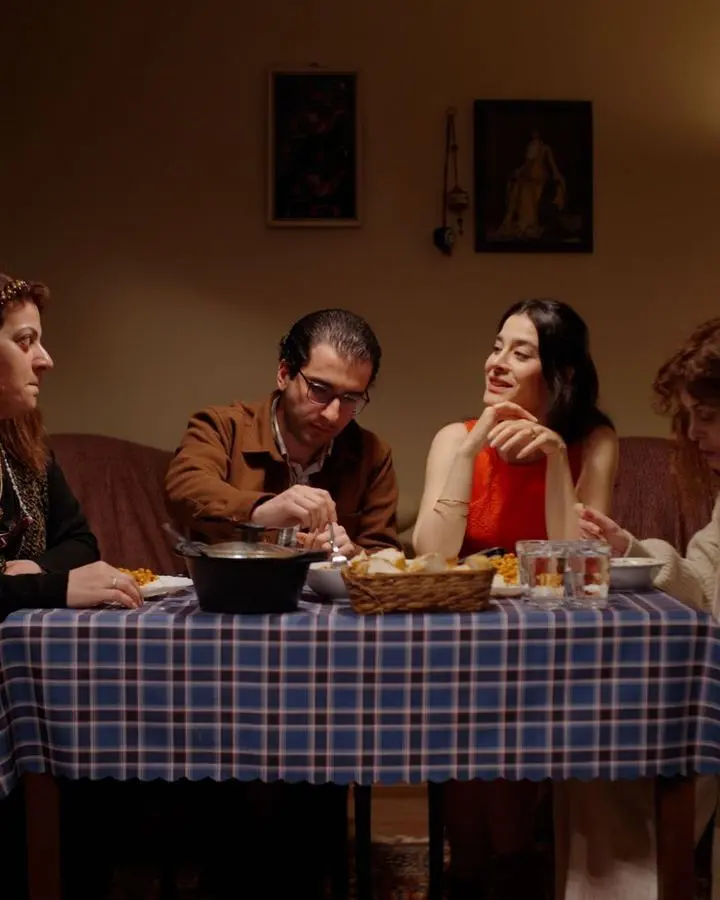

If an affair has reached your wider family, the fallout is hard to escape. Infidelity and extended family tangle together because contact rarely ends, so the practical answer is clear boundaries, honest talk and support for everyone affected.
The wider picture is covered in the effects of infidelity on family guide, while this page looks at grandparents, in-laws and relatives.
| Key fact | Value |
|---|---|
| Adults interviewed in a 2023 study of parental infidelity | 6 participants |
| Master themes found in that study | 4 themes |
| Participants in a 2009 study who said parental infidelity lessened trust in partners | 70% of participants |
| Credible statistics on affairs within families, per a March 2017 column | None known to the author |
| Recovery steps in that column’s framework | 7 steps |
These figures come from a 2023 journal paper and a 2017 Psych Central column. Figures can change, so check the source before you rely on them.
Why infidelity reaches the extended family
An affair rarely stays inside one household. A therapy-platform article on family effects says a breach of trust can extend beyond the unfaithful partner and into relationships with extended family members, friends and children, as set out on MyWellbeing.
The same article describes secrets, lies and deceit becoming pervasive, which makes it harder to express emotions and concerns openly. When people stop talking honestly, relatives often fill the gap with guesswork and side-taking.
The Psych Central column names grandparents, siblings and other close family among those affected when the affair happens inside the family. The sources behind this page say little about grandparents specifically, so treat that mention as a signal rather than a research finding.

When the affair is with a relative or in-law
The columnist behind the March 26, 2017 piece wrote that he knew of no credible statistics on how often affairs inside families happen. He added that such affairs are not as rare as you might imagine, because opportunity drives infidelity, as the column explains.
Repeated contact over weeks, months or years is the usual route. The column lists husbands with sisters-in-law, wives with brothers-in-law, and cousins, nieces and nephews drawn to other extended family members.
The same column points to several reasons why recovery can be harder than after an affair with a co-worker or a stranger:
- Ending contact with the third person is much harder, if not impossible, because that person is family.
- Staying together can mean facing that relative at family functions for years, likely for life.
- Even after a divorce, shared events may still put everyone in the same room, though expectations are lower and the daily reminder is gone.
For the partner who strayed, the column says the climb is steeper than after an affair with a non-family member. Its advice is that the betrayed partner should have the say over how family events are handled, even if that means standing beside them all evening or staying away.
Whether an affair has any legal consequence depends on where you live, and the page on adultery laws by country covers that side.
How the effects can echo across generations
A 2023 paper in the Journal of Family Studies interviewed six adults about parental infidelity and found four master themes. The authors note that less research has looked at people outside the couple, such as their children, and the sample is small, so it describes lived experience rather than how common it is. You can read it on City Research Online.
Under those themes, participants described becoming an emotional carer and gaining an awareness of parental sexuality. They also described fear of abandonment and relationship breakdown in their own romantic lives.
The paper also reviews earlier work. It reports that in a 2009 study, 70% of participants said their experience of parental infidelity lessened their ability to trust romantic partners.
It cites studies linking intergenerational transmission of infidelity to a positive correlation between parental infidelity and infidelity by adult children. A correlation is not destiny, and it does not show that one causes the other.
A 2019 study cited in the paper found that people exposed to parental infidelity scored lower on measures of relational ethics, both with partners and with their family of origin. That suggests the damage can reach other family relationships too.
Younger children face different questions, which are covered in how infidelity affects children.
Where in-law tension may already exist
The SAGE Encyclopedia of Human Relationships says that in-law relationships have generated more negative attention than any other family relationship. It records the first mother-in-law joke as dating to Roman times.
The entry adds that many people still enter the in-law domain with negative expectations and anxiety, as the encyclopedia entry explains. If an affair surfaces on top of that, old tensions may shape who gets blamed. This is an inference, not a finding from the sources.
Practical ways to handle family contact afterwards
The 2017 column offers a seven-step framework for couples who want to stay together. In order, the steps are:
- Cease all contact with the outside person.
- Prove that the affair has ended.
- The partner who strayed must feel genuine remorse.
- The partner who strayed must accept full responsibility.
- Make time to discuss the affair and your feelings.
- Work on having a normal relationship.
- Build a healthy and happy relationship.
The column admits the first step is the hardest when the third person is a relative. It says you should be realistic about what staying together involves, and that if you cannot put the past behind you, a clean break may be wiser.
In the 2023 paper, participants’ pathway to healing included perspective, understanding, and honesty and openness. For relatives, that points to calm and truthful conversation rather than silence or rumour.
Frequently asked questions
Can a couple recover when the affair was with a relative?
Show answer
The 2017 column says it is harder than other affairs but that pathways exist. It stresses being realistic about facing the relative at family events for years.
Does parental infidelity make adult children more likely to cheat?
Show answer
The 2023 paper cites studies finding a positive correlation between the two. A correlation is a pattern across groups, not a prediction for any one person.
How common are affairs within families?
Show answer
The author of the March 2017 column knew of no credible statistics on this. Treat any precise figure you see elsewhere with caution.
What should the partner who strayed do about family events?
Show answer
The column says the betrayed partner should decide. That can mean the partner who strayed stays close all evening or skips events.